

As rising costs and debt remain high, so does the number of seniors in the job market — Sonoma County included, where more than a quarter of the population — over 485,000 people — has surpassed age 60.
According to the U.S. Bureau of Labor Statistics, workers 65 and older are projected to grow by 8.6% by 2032. Yet pursuing employment later in life is not without challenges. Financial pressures and shifting workplace expectations can make the path forward difficult.
To make ends meet in this volatile economic climate, many in this aging demographic punctuated by the baby boom following World War II between 1946 and 1964 have either postponed retirement or “unretired.” The term was coined as an economic trend borne, in part, out of the affordability issue.
Many North Bay labor experts contend the trend underscores the need for employers to get on board with increased openness to recruiting seniors in their hiring practices, among other accommodations that could involve part-time, flexible schedules.
Unlike other age groups in the working class, seniors sometimes face extra challenges when seeking a coveted position with an organization.

“Ageism is a real thing,” North Bay Labor Council Executive Director Jack Buckhorn said. “And in this time, it’s more difficult if households need more jobs [to get by]. It’s just very difficult for workers these days.”
Jobless rates in North Bay counties remain more than 4.2%, the California Employment Development Department reported Jan. 9 in releasing its November figures.
The income threat is accentuated by the rate of personal debt for Californians surging by almost 30% between 2013 and 2023 to $19,610 per person, according to a recently released study conducted by Debt Relief Karma analyzing Federal Reserve Bank data.
Buckhorn cited some common misconceptions that tag seniors searching for jobs. For one, older workers are often associated with having lower energy than their demographic counterparts. Hiring managers will draw a line between what seniors can or cannot do, sometimes subconsciously, insiders say. While some perceptions are unjustified, several conclusions are based on historical perspectives.
“You won’t find many 60-year-olds out at the construction site,” he said, adding, however, there are exceptions to the rule.
Secondly, seniors have accumulated years of experience. With that comes a pay scale that reflects the experience that employers may not want to pay for, Buckhorn pointed out.
In addition, older workers are at times labeled as not as computer literate, especially since millennials and Gen Zers came of age with computers at home and school.
“If you didn’t grow up in the technology era, companies may not be set up to accommodate you (in training). There’s a huge disconnect that devalues a whole population able to do the work,” said Paul Dunaway, Sonoma County Human Services Adult and Aging division director.
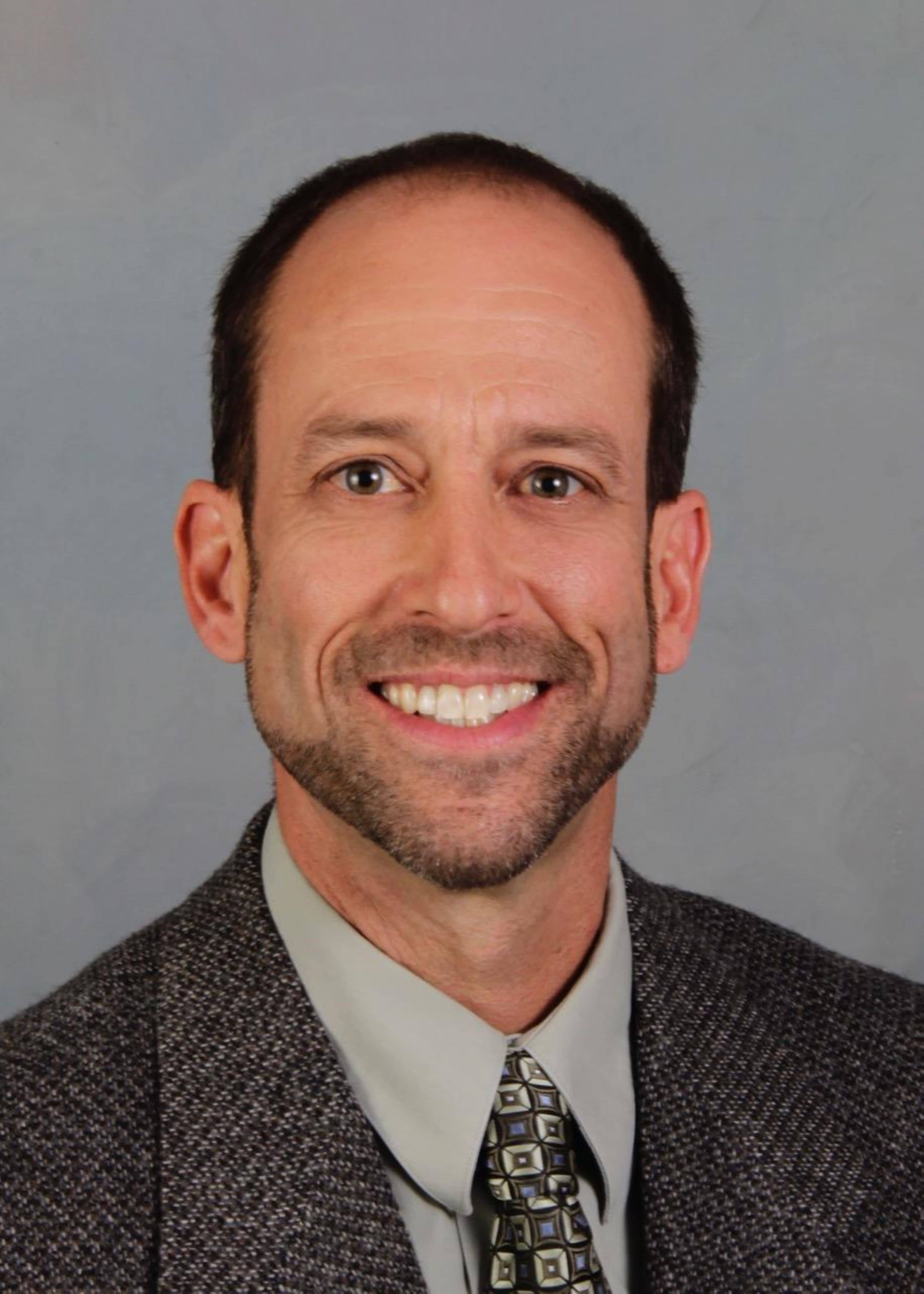
Dunaway views the assessment as a societal and cultural tendency.
“It has nothing to do with [their] ability. It’s interest,” he said. “Our infrastructure for the workforce has not shifted to meet the needs
for those returning to work.”
Still, Dunaway noted that aging workers are challenging the long-held expectation that retirement must follow three decades of full-time employment. Now, there are different degrees of retirement, such as semi-retirement.
“The standard Monday through Friday is not there for everybody anymore. The job market has changed,” he said.
One glaring reason leads to more seniors on the job hunt.
“People need to have purpose. The things people would do in retirement might be something they’re passionate about at work,” he said.
Hence, they opt for the fun job.
Liz Sheehan, a recruiter at Robert Half Hiring Agency, agreed.
Sheehan has witnessed a whole crop of working seniors who have admitted they retired “too early” and “feel they have more to offer.” Part-time jobs make for an adequate compromise.
“They still feel dynamic and miss being part of a team. They may be bored [in retirement],” she said.
Sure, Sheehan said she’s aware that companies will often choose hiring young workers considered more vigorous on the job site. But experience and leadership account for much of a firm’s success over time. Together, those qualities make for a succession plan.
The global staffing firm recently conducted a poll of 2,000 business leaders and found that 87% have a succession plan. Yet, 52% expressed difficulty in attracting outside leadership talent that can take the reins of a company. This means tenured leadership is still in demand — but it has not found its way to all the companies that need it.
“When we take job orders in what employers need or want, I always tell them that we’ll send you the people with the strongest skillset and most experience,” Sheehan said.

The most experienced of the job applicants offers a bonus in the office, too. These tenured staffers may serve as mentors to the younger set as well as new leaders to companies for those wanting full-time work.
“Hiring managers are looking for people to take their place,” she said.
Sonoma County continues to staff and manage a large arm of its Human Services Department designed to connect job applicants with suitable local employers.
Sonoma County Job Link represents a one-stop entity where an applicant may attend workshops, develop skills, work in a computer lab and build resources to help them move onto the first or next chapter of their careers. The operation assists 150 to 300 clients/applicants a month. They consist of people from all walks of life and age groups, seniors included. This day and age, some wannabe workers may be looking for positions for 6, 8 or even 12 months in this seemingly competitive labor environment, job counselors note.
This is why recruiters, counselors and advisers support treating job applicants equally, no matter what age group they fall in.

“Seniors are important and valued members of our workforce. This is why it’s important to treat the person as an individual. When we make an assessment, we ask what their goals are and what are their strengths,” said Charity Doronila, Sonoma County Human Services’ employment and training division director. “A certain age doesn’t mean you can’t do the work. [Seniors] have many strengths.”
That perspective is echoed by Karen Alary, managing partner of The Personnel Perspective in Santa Rosa. Since the pandemic, she says, many firms have moved beyond the traditional Monday-through-Friday work model, offering part-time, flexible and project-based arrangements that better suit seniors’ schedules and commitments.
As for what seniors provide, stability tops the list.
“In work environments where turnover is high, such as customer service departments, seniors often bring a level of stability, consistency, loyalty and even mentorship that help strengthen productivity and team continuity,” Alary said.
What they may lack in nimble computer programming skills, in comparison, to young workers, they may make up for in ambition, Alary notes. She indicated how some seniors are “upskilling,” as in expanding, their digital tools.
“This isn’t exclusive to seniors. Many employers don’t offer this type of training (to all),” she said.
Tenacity and ingenuity go a long way to success.
“What we see generally with clients is that you can’t train experience,” Santa Rosa’s Arrow Benefits Group Principal Andrew McNeil said, referring to the value of working seniors.
The insurance benefits expert insisted stereotypes may still exist in some circles, but the times, they are a-changin’.
McNeil, 40, turned to his own grandmother as an example in which preconceived notions don’t reflect reality.
“She usually gets the newest iPad when it comes out,” he said.
8 Tips for seniors entering the workforce
1. Embrace your diversity
2. Showcase your accomplishments
3. Know yourself and your skills
4. Search advertised openings
5. Leverage people you know
6. Think about where you’re valued
7. Be ready for the in-person interview
8. Upskill with technology classes
Source: The Senior Source